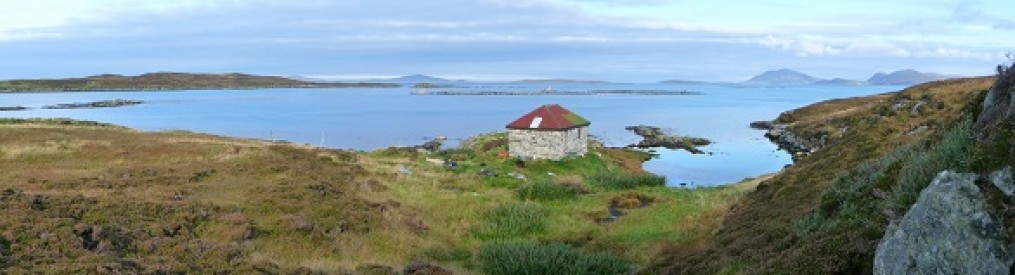
One of the earliest references to Lingay can be found in the book A Description of the Western Isles of Scotland (Circa 1695) by Martin Martin. 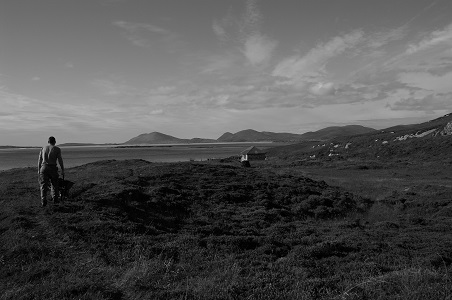 Lingay is described as being verie profitable for feiding and fostering of gudes, (very profitable for feeding and fostering of produce). Lingay is also mentioned by Alexander Macloed in 1770 where he tells of residents of Pabbay going to the islands of Lingay and neighbouring Groay to cut peat.
The original sheiling and livestock enclosures built on the island were used by crofters on a seasonal basis to graze livestock, cut peat and cut kelp. They would often take a cow out to the island with them to take advantage of the rich grassland pastures in the summer. One of the last known people to do this was Margaret MacKenzie (nee Macleod) in the beginning of the twentieth century.
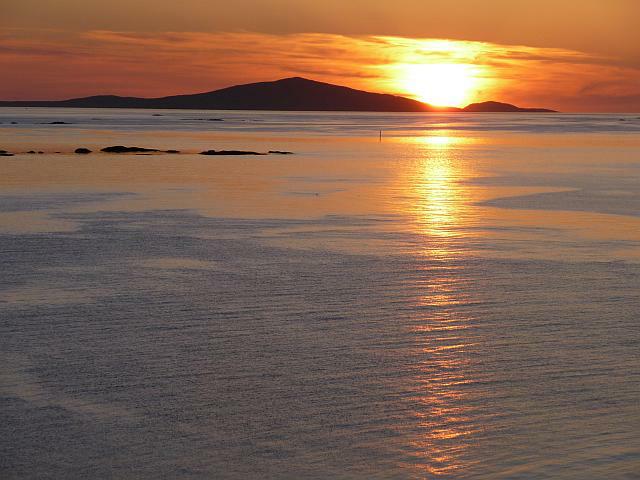 Also it is known that the fishermen from Lingerabay on Harris, used the sheiling as an emergency shelter if the weather deteriorated enough to not allow them to return home from their fishing trips.
The island was bought in 1998 from the MacKenzie family and since that time it has been allowed to revert to its natural state as a reserve for nature by the discontinuance of sheep grazing which has allowed natural regeneration, which has been enhanced by the planting of trees.
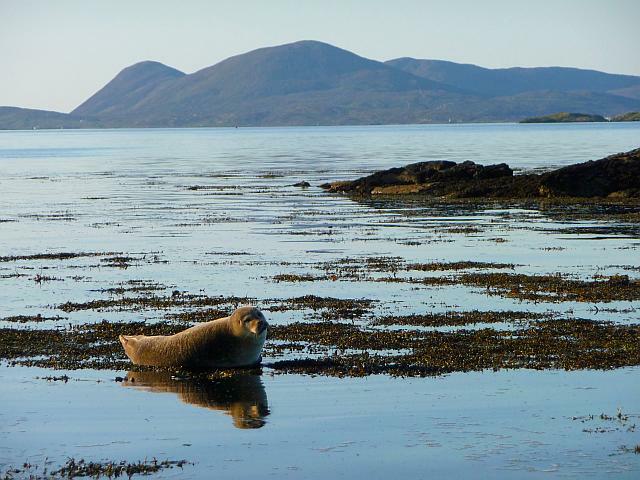 The small sheiling has been re-built incorporating stone from the original sheiling and this has provided an important sense of place, continuity and an intimate connection to the past. In line with this, it has been named Airidh Maireid Air A Charaig (Margarets Sheiling on the Rock).
 Lingay Island